





Ivan Loginov – Rusia
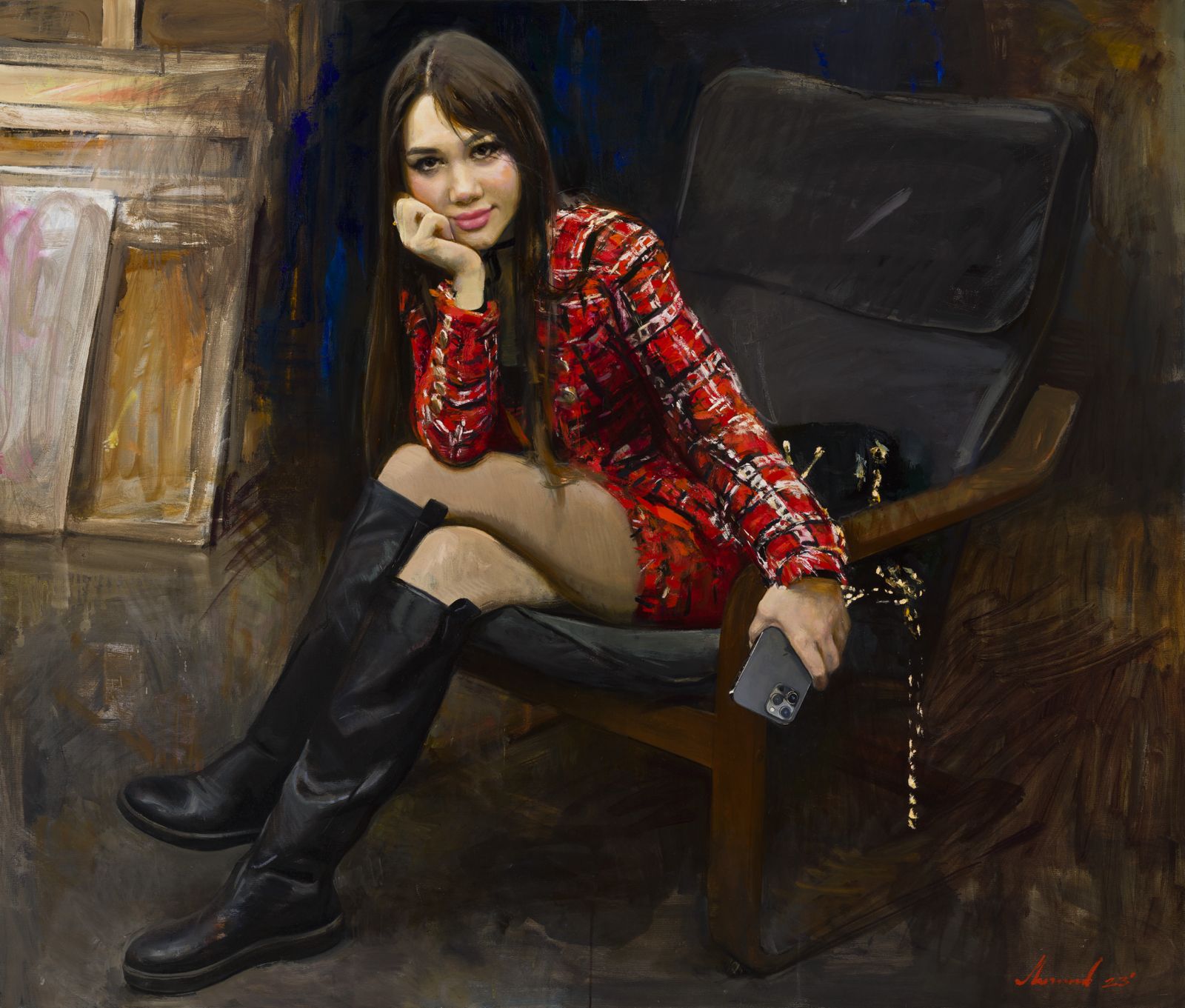
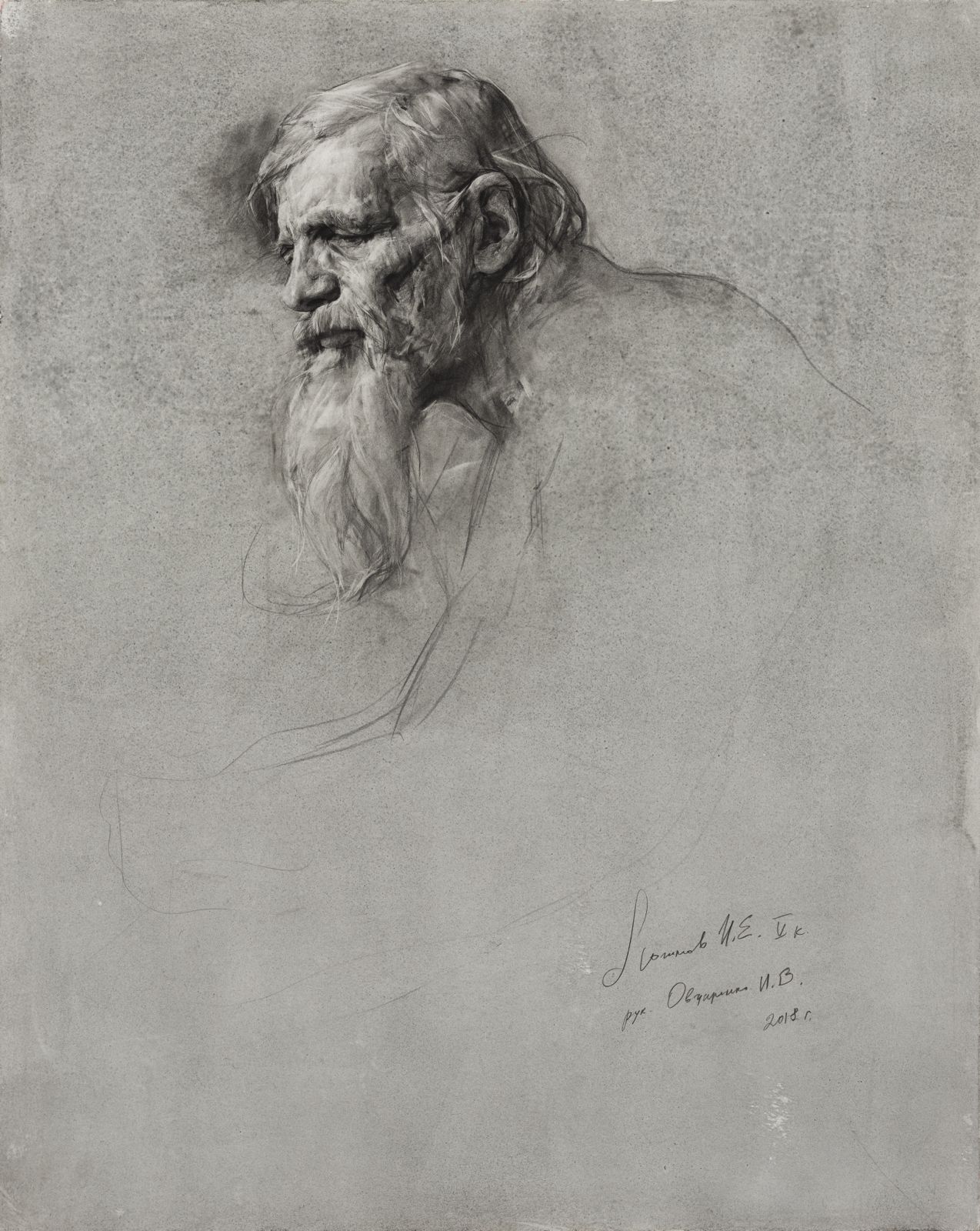
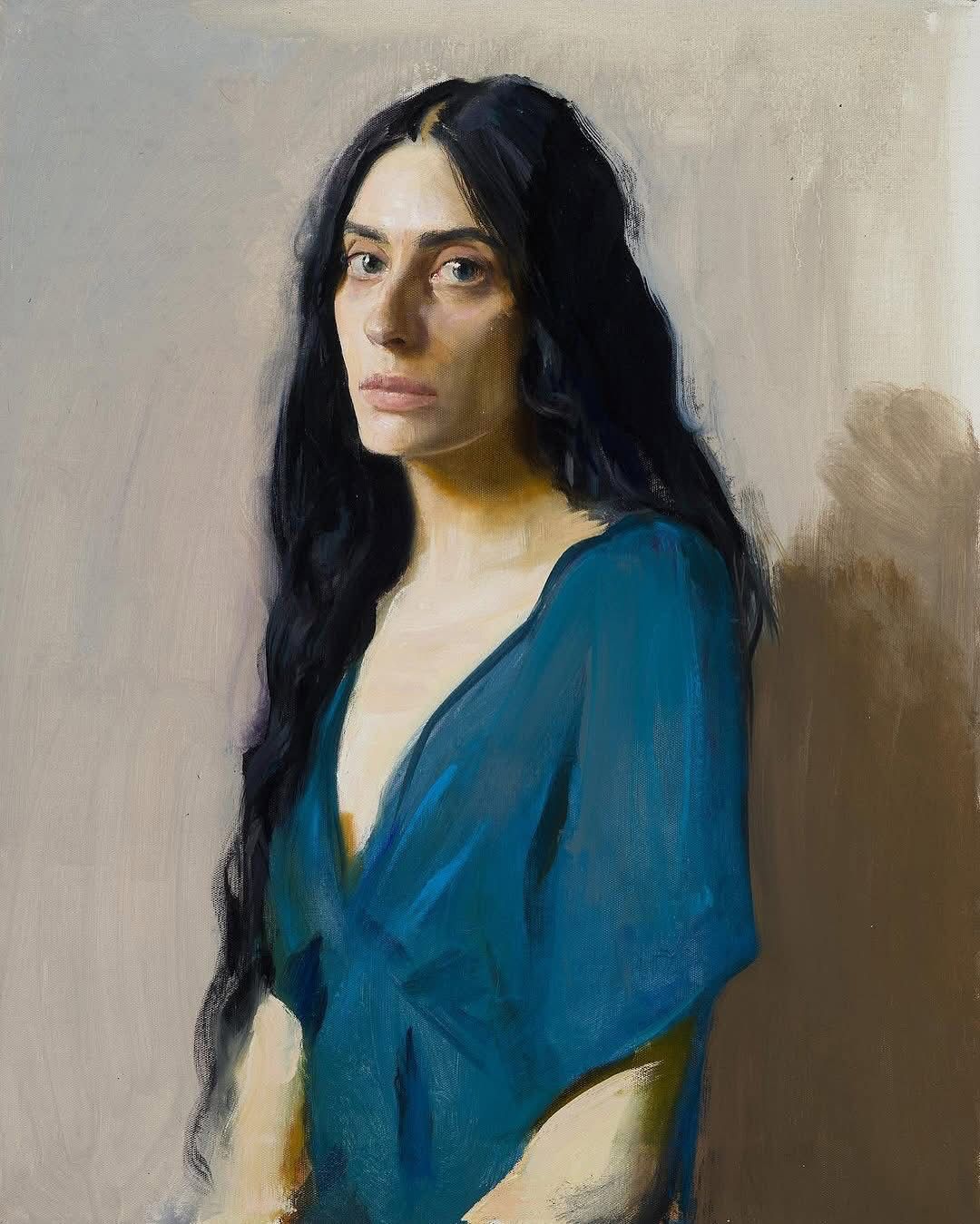
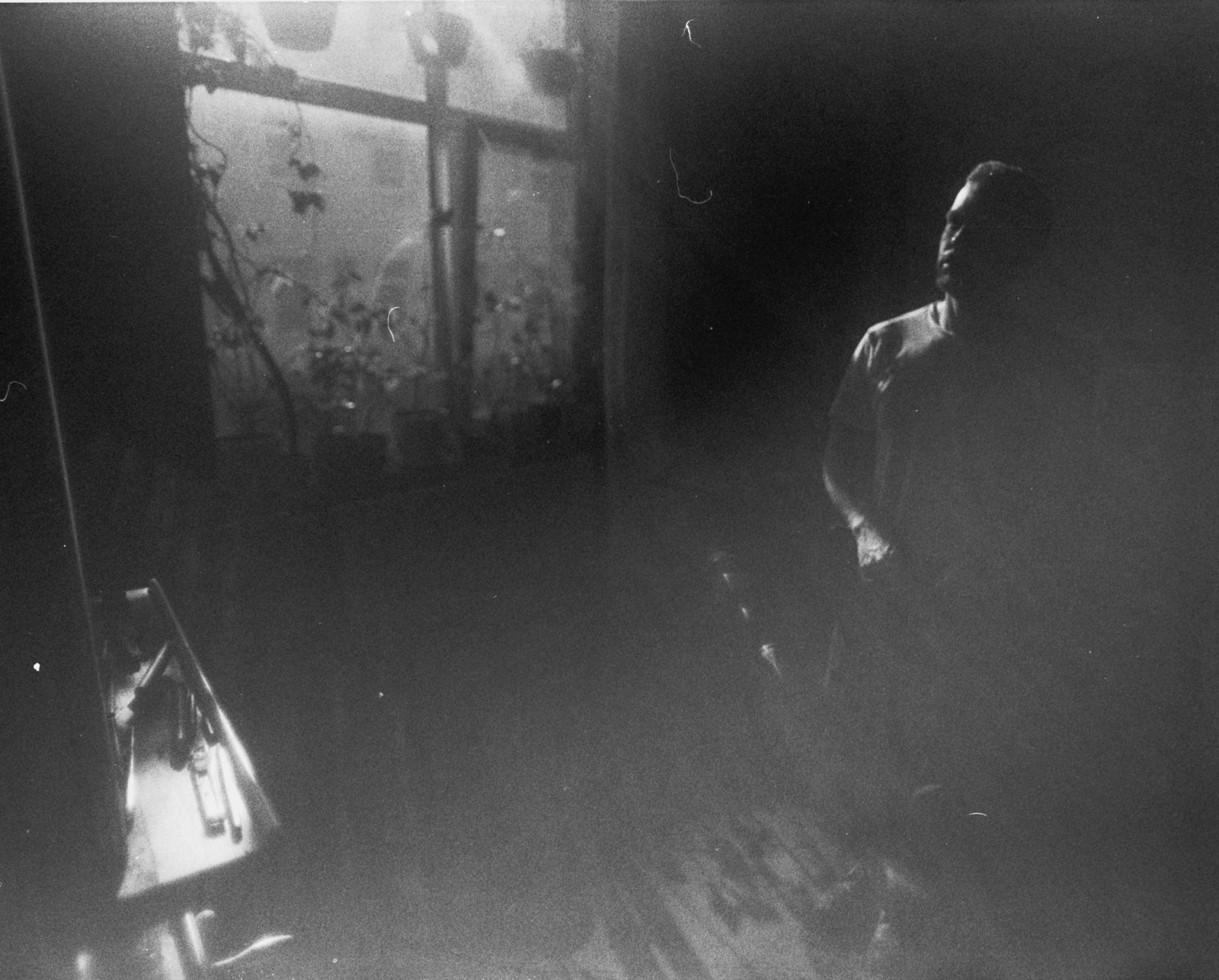
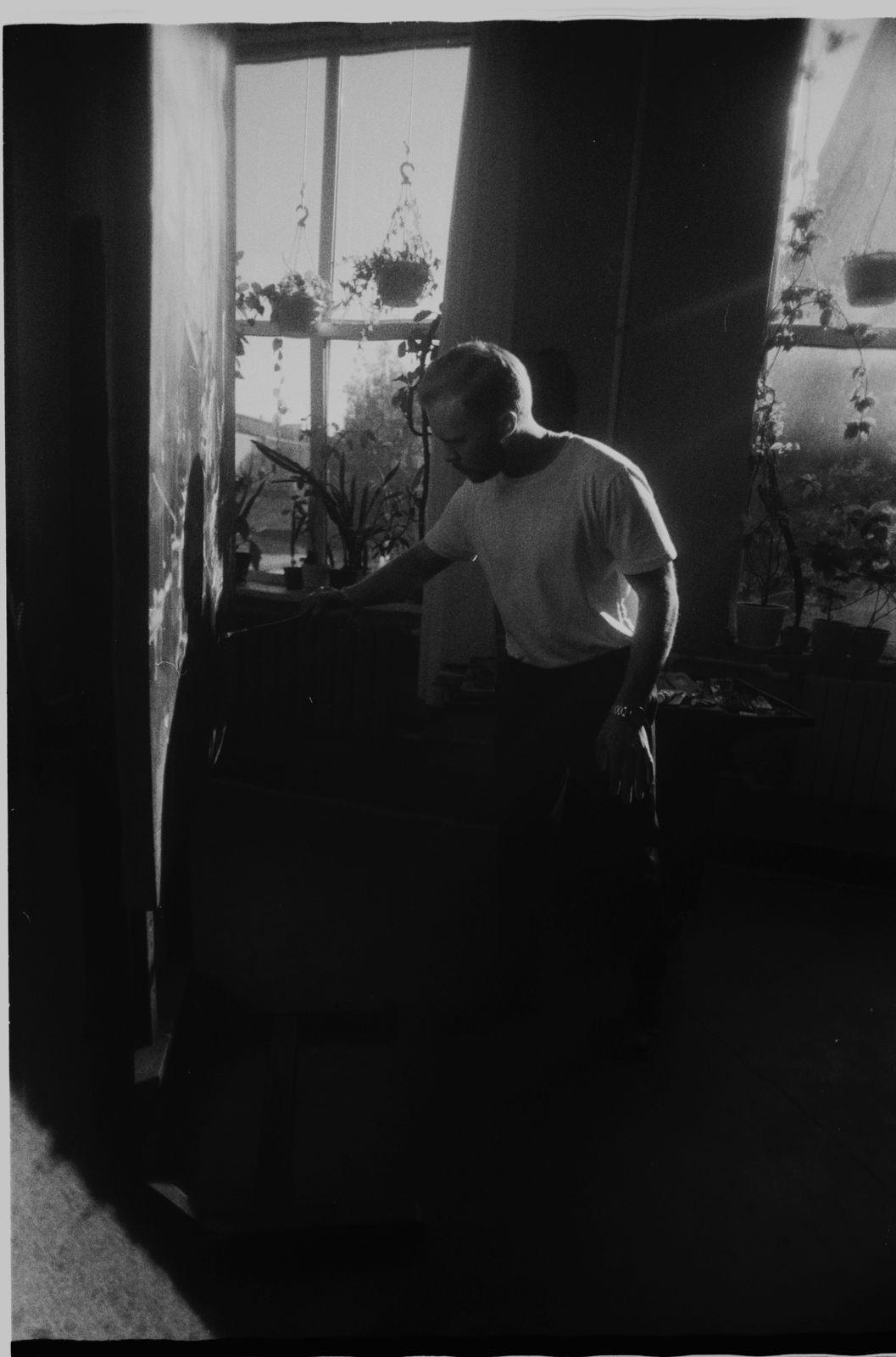
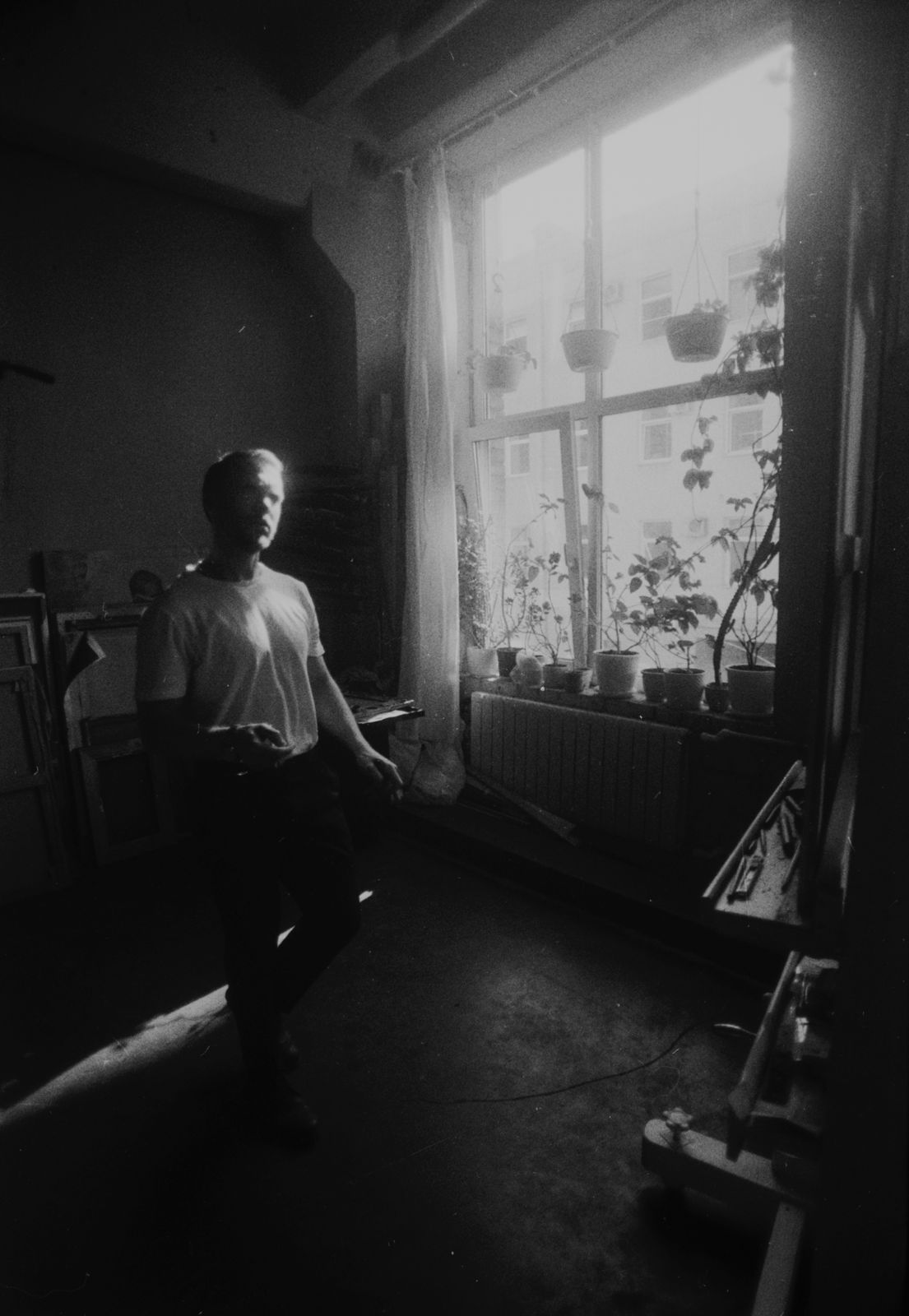
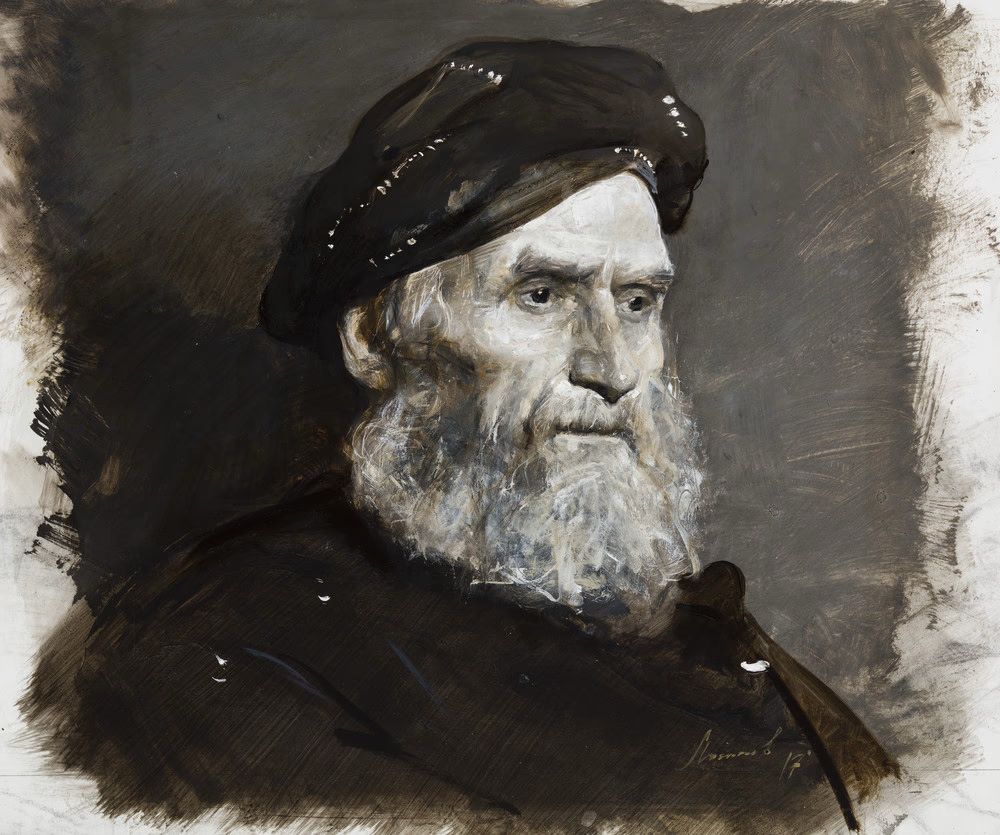
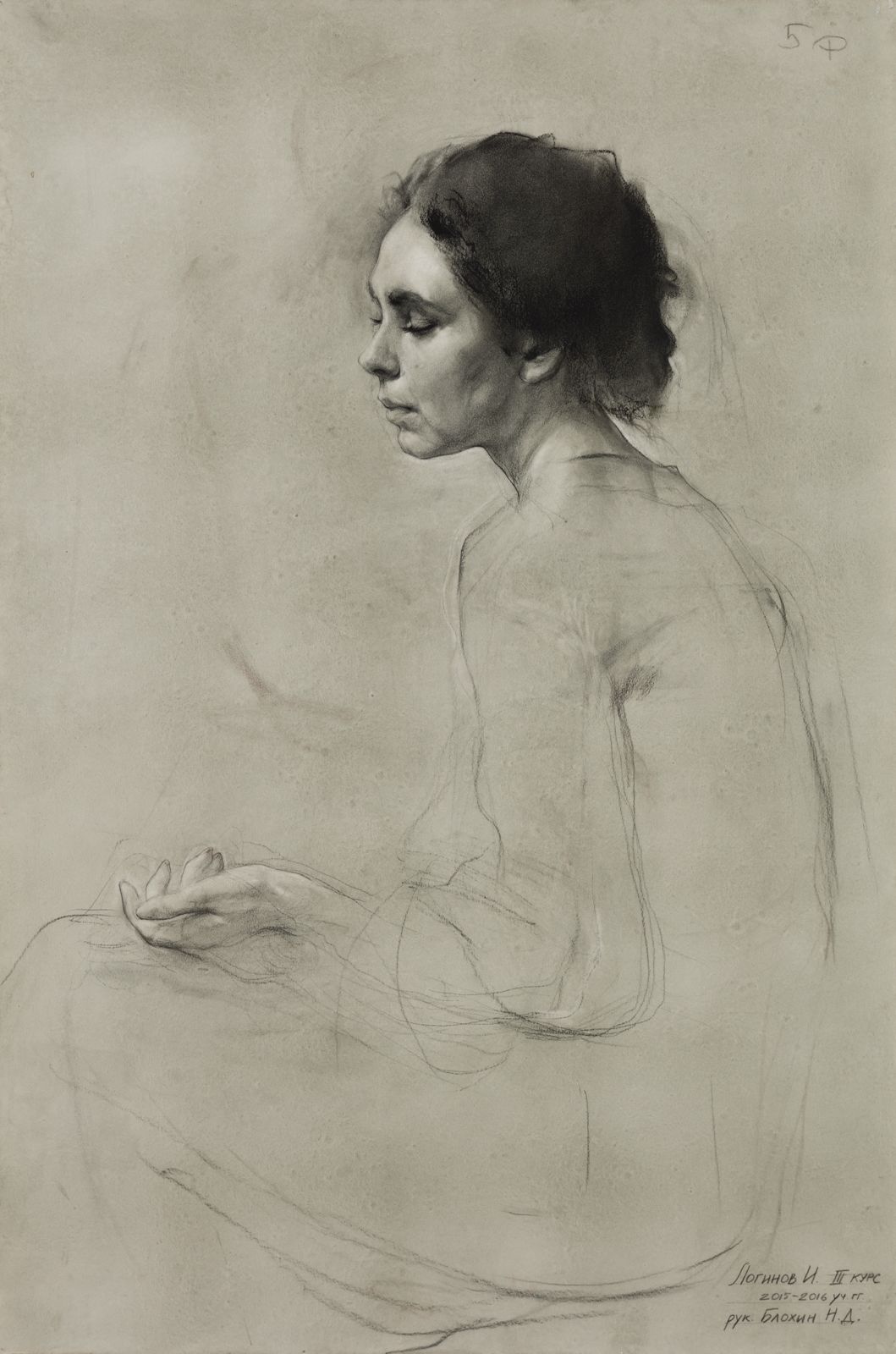
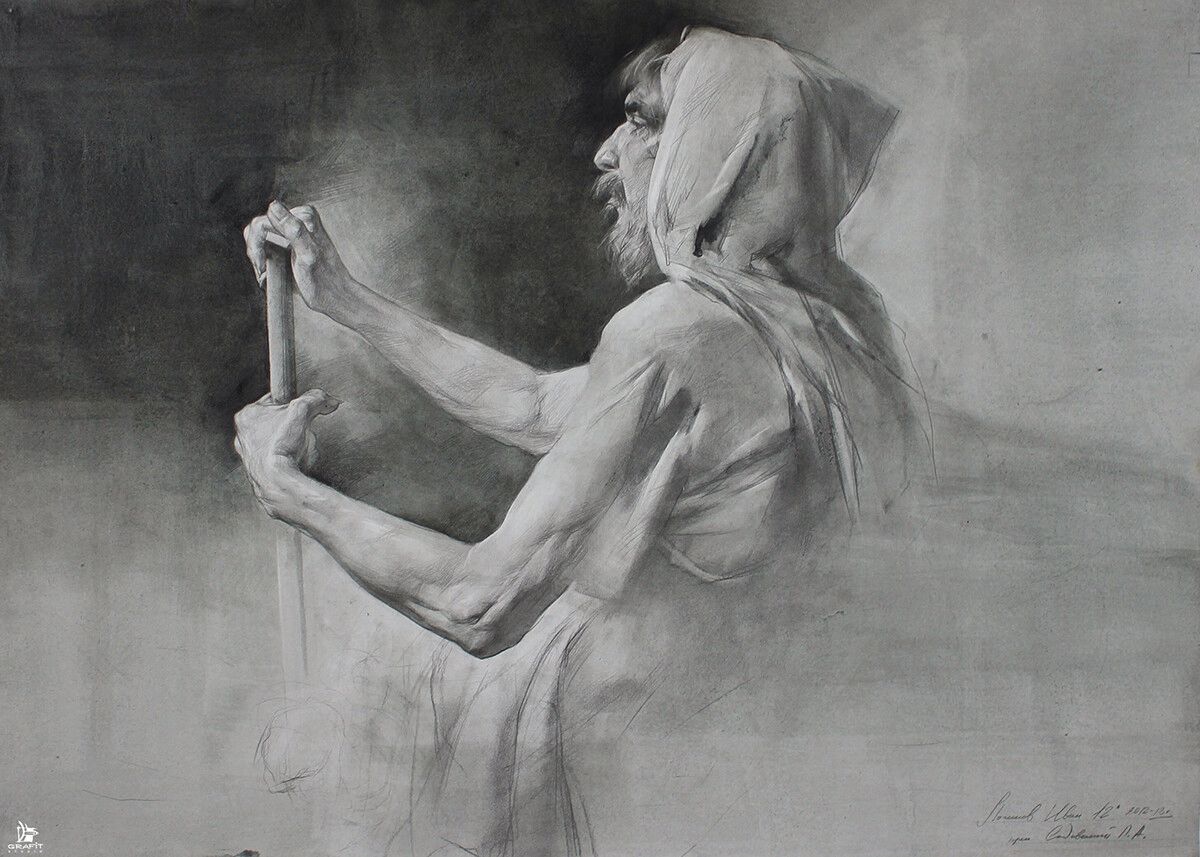
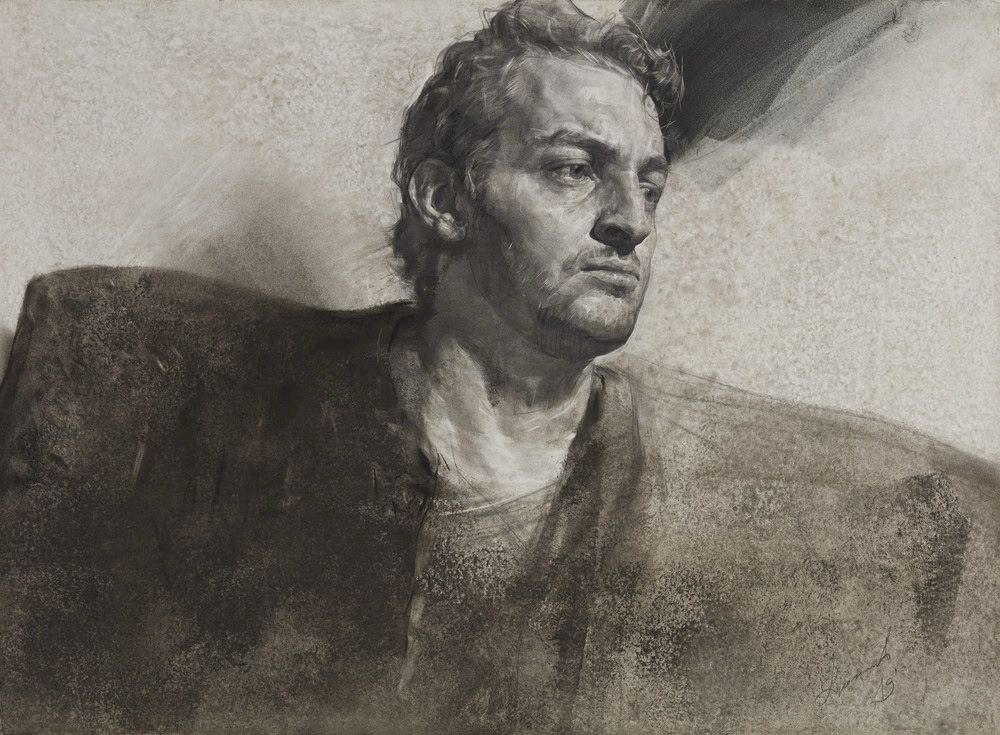
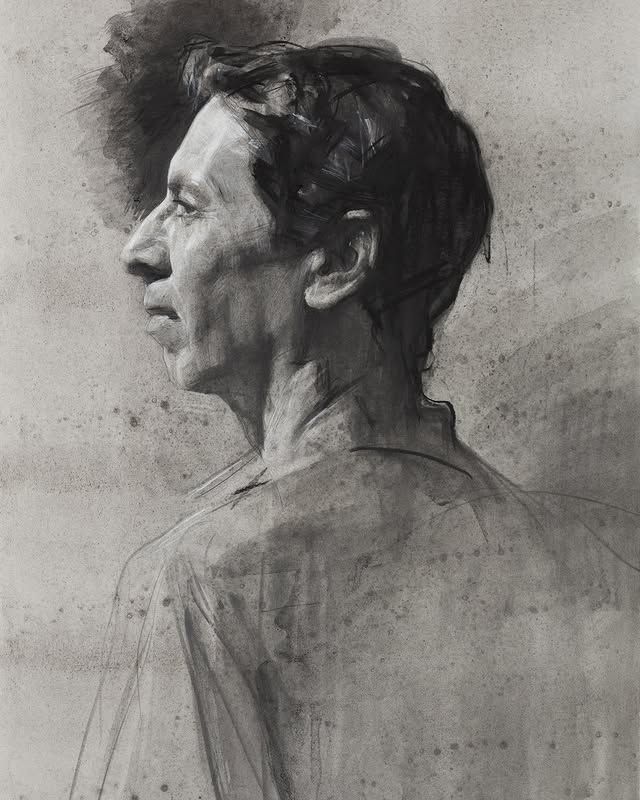
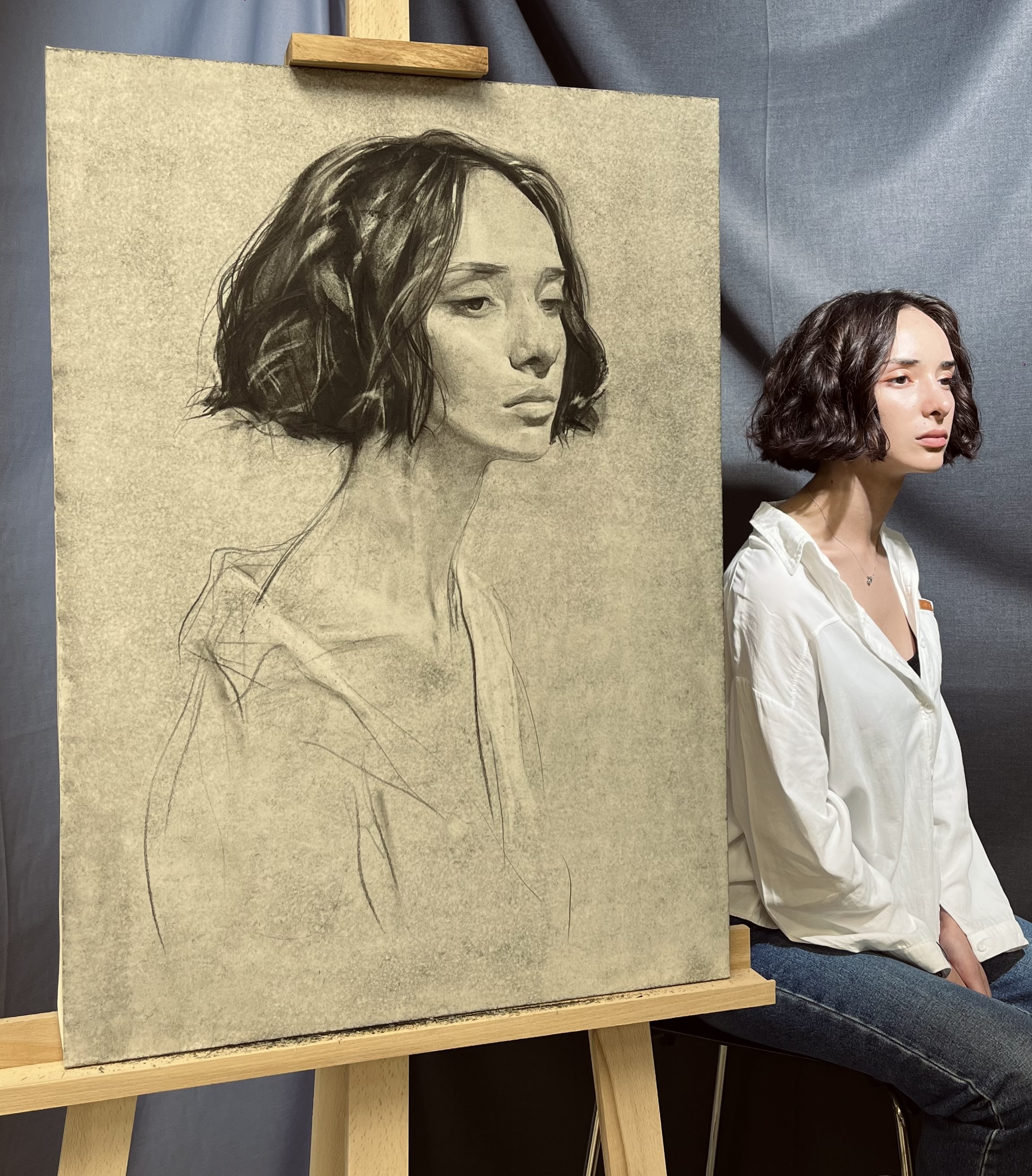
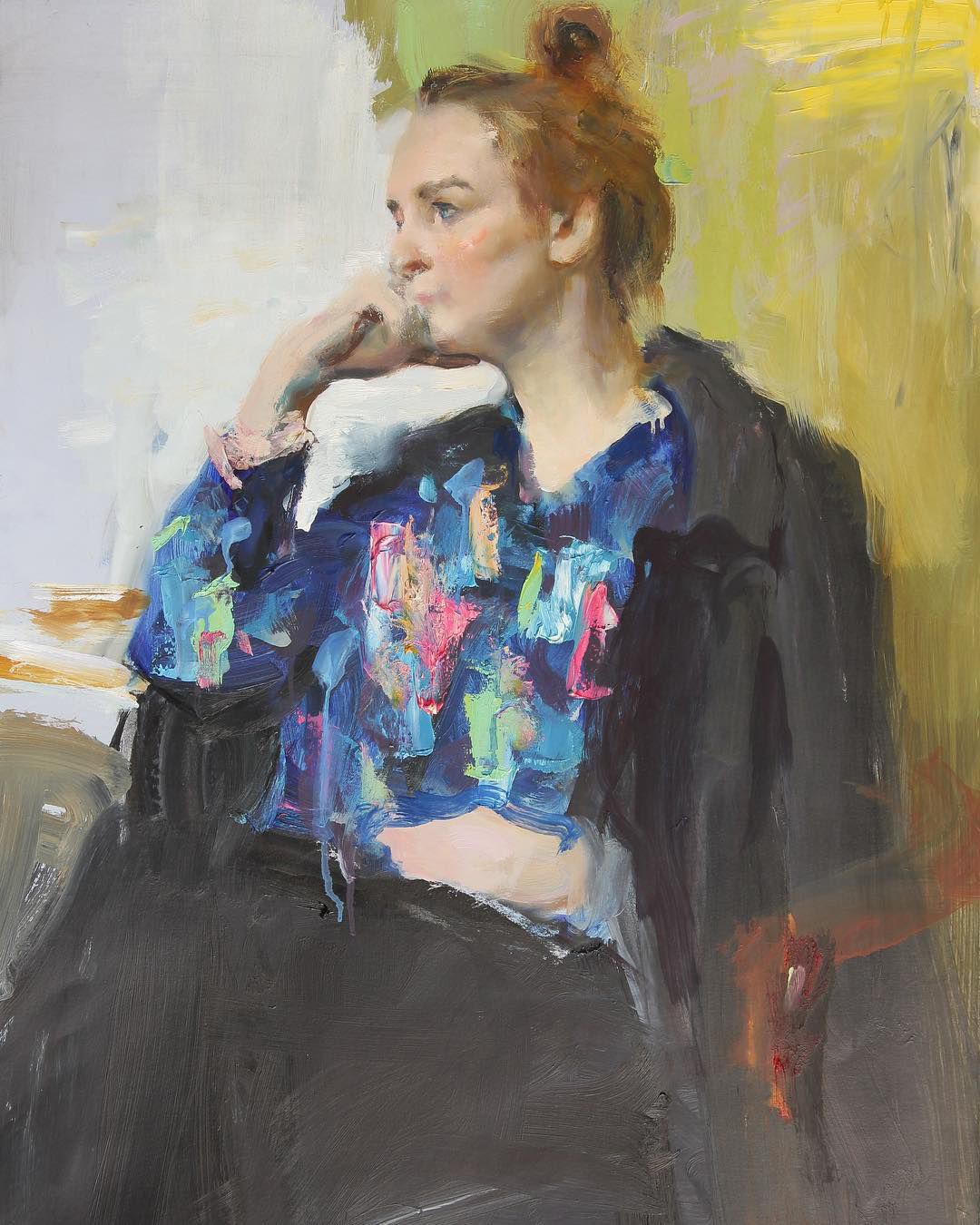
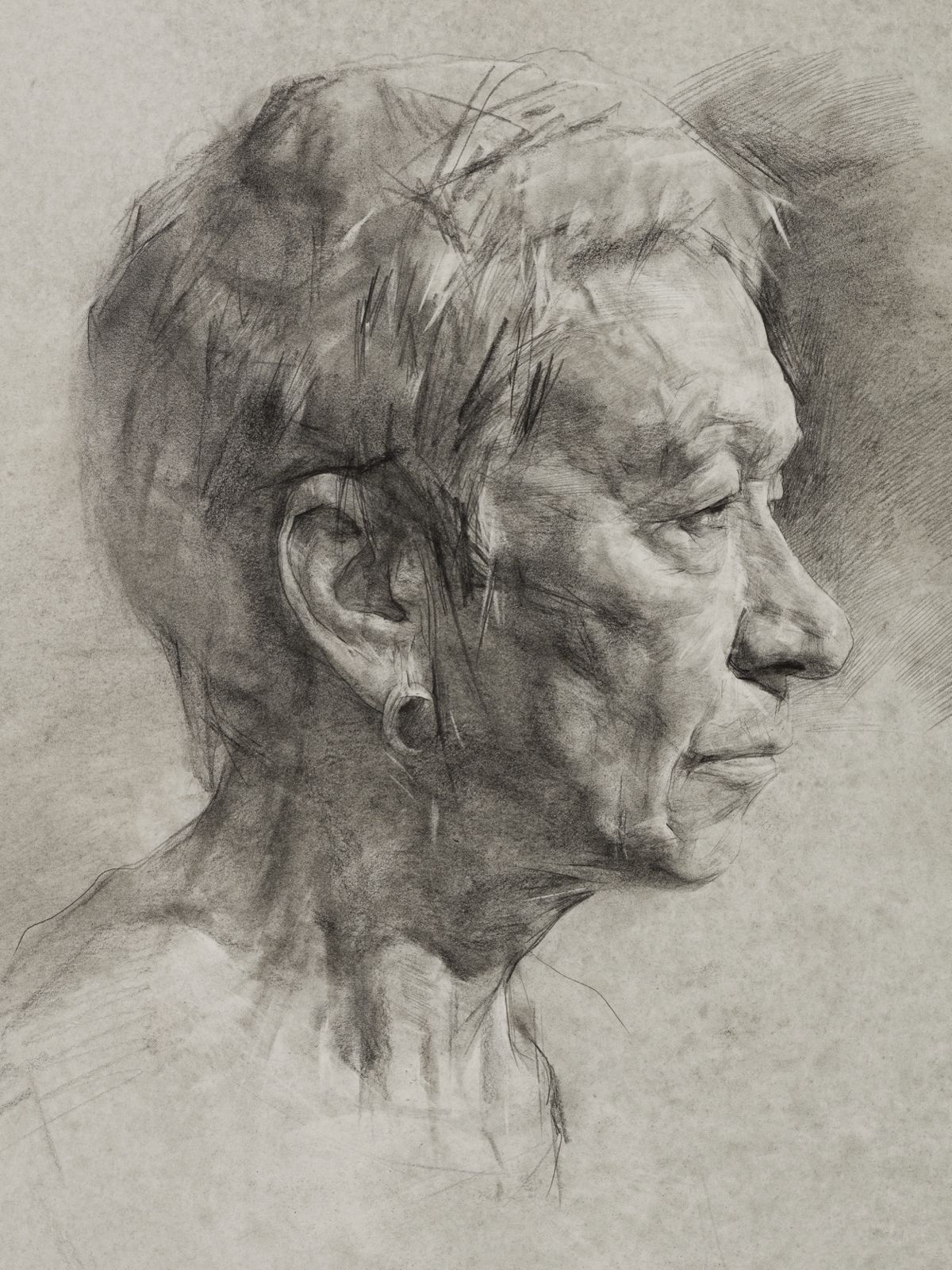
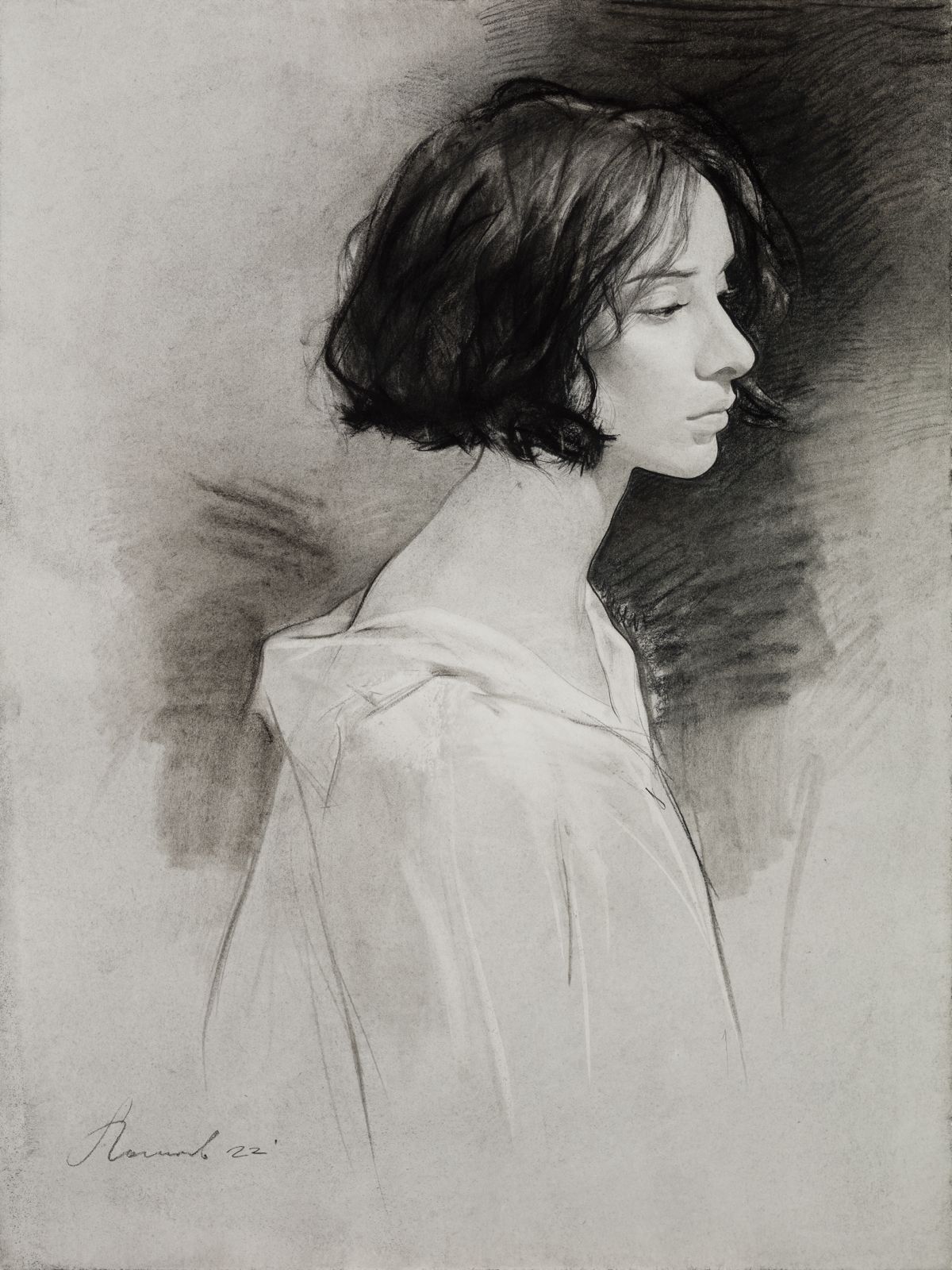
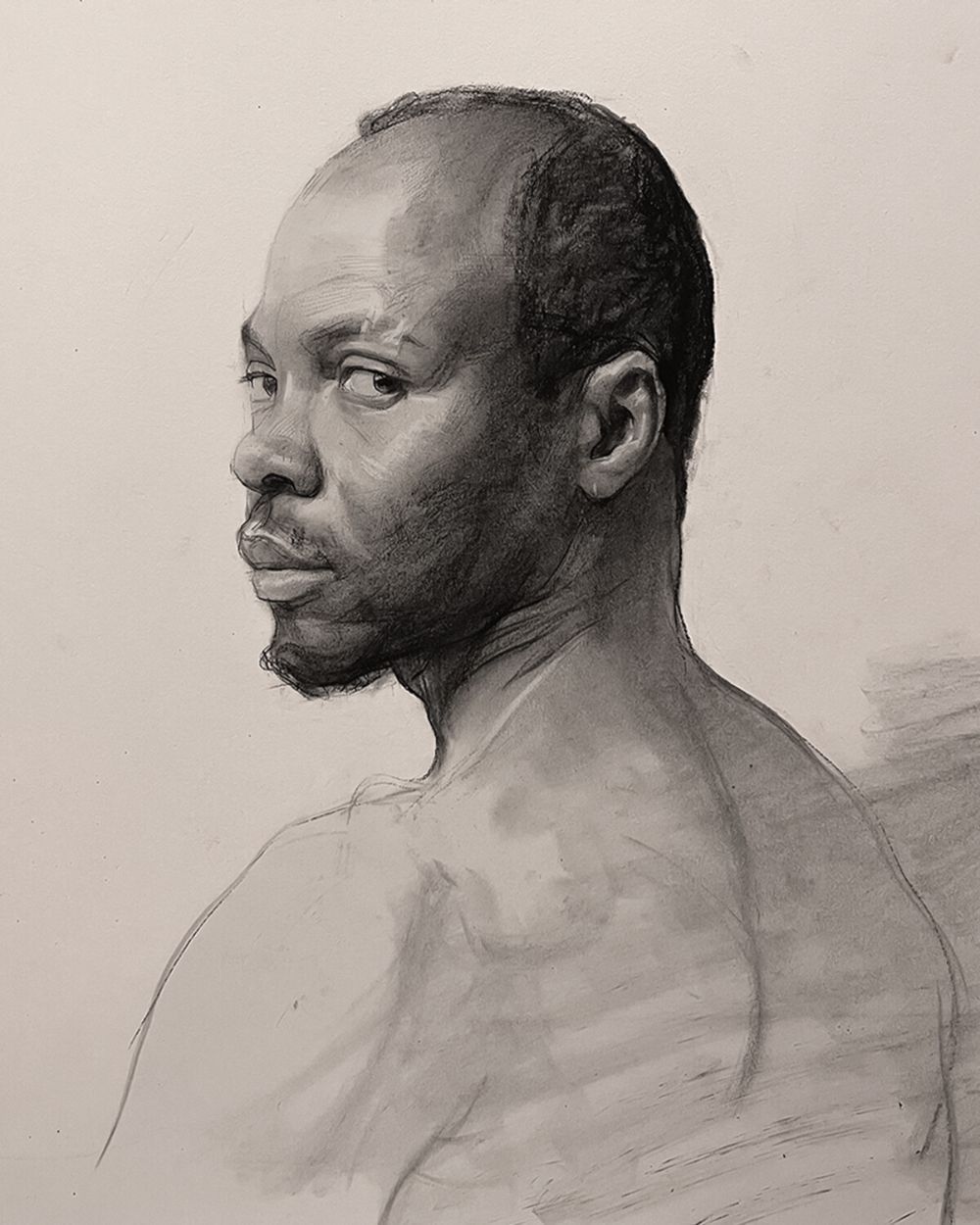
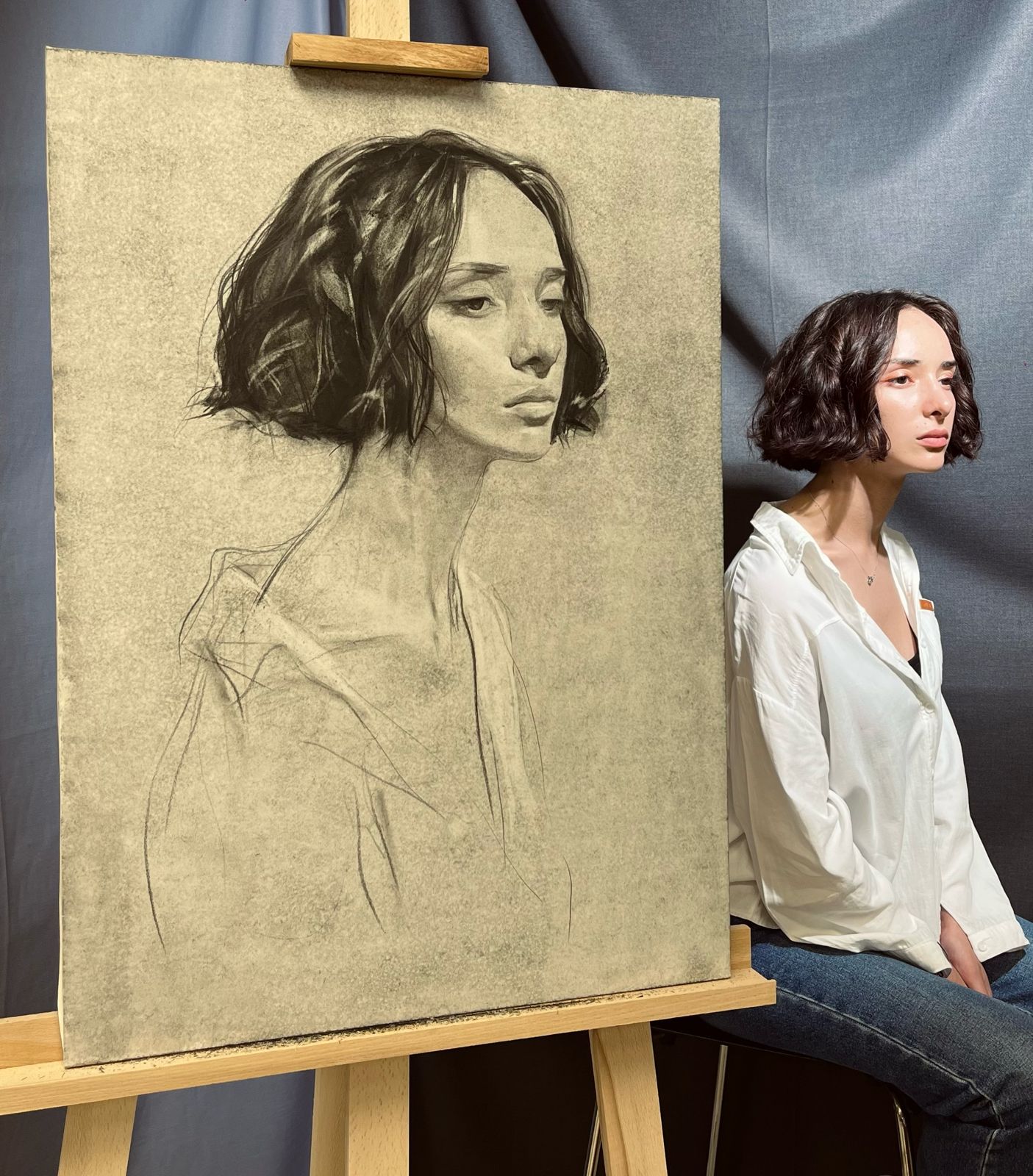
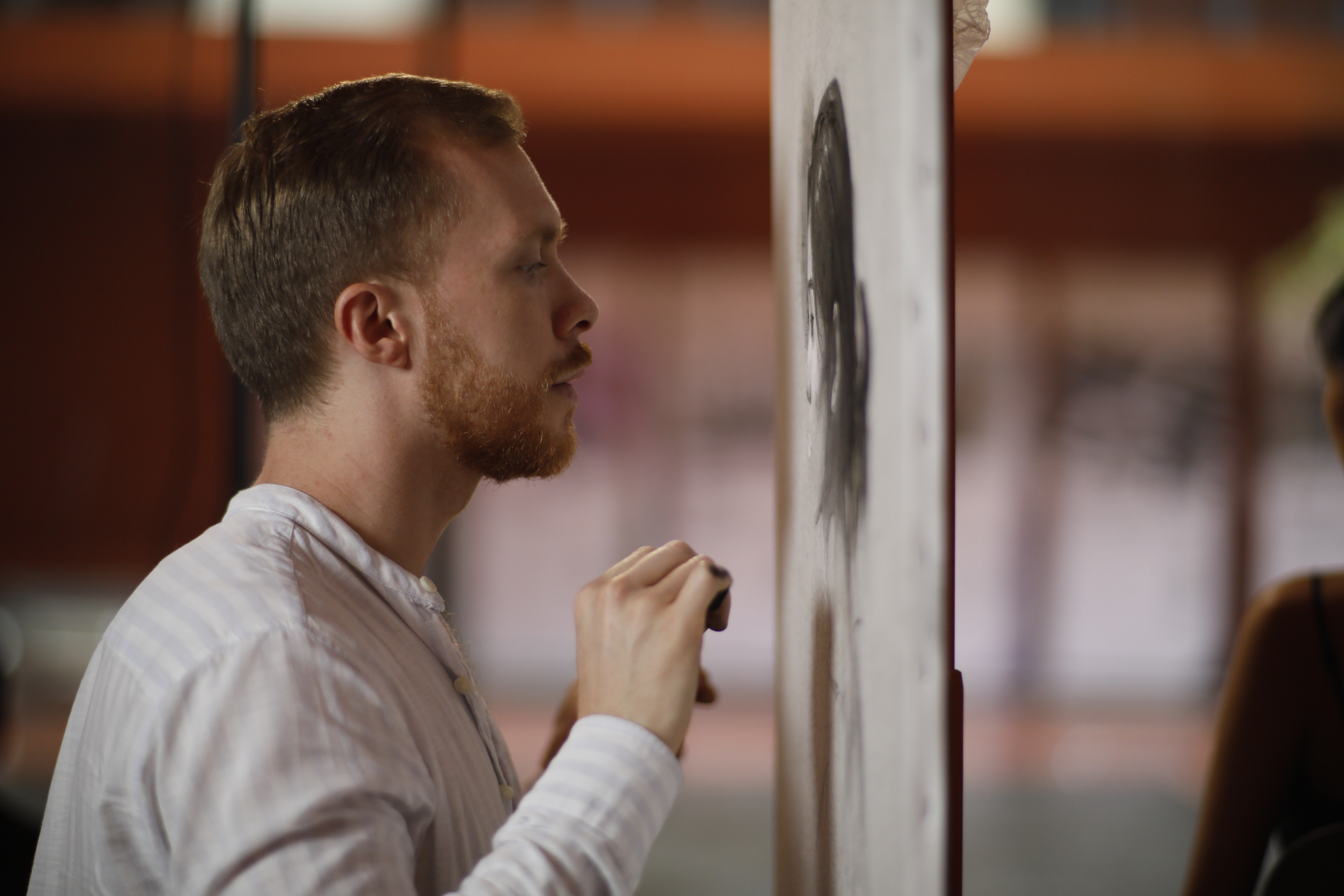
Ivan Loginov (Abakan, Rusia, 1994) es un pintor formado en la tradición del realismo académico ruso. Inició su camino artístico en Siberia y, siendo aún adolescente, se trasladó a San Petersburgo para continuar su preparación en escuelas especializadas de arte hasta ingresar a la reconocida Academia Imperial de Artes I. E. Repin, donde consolidó su dominio del dibujo, la figura humana y la pintura al óleo.
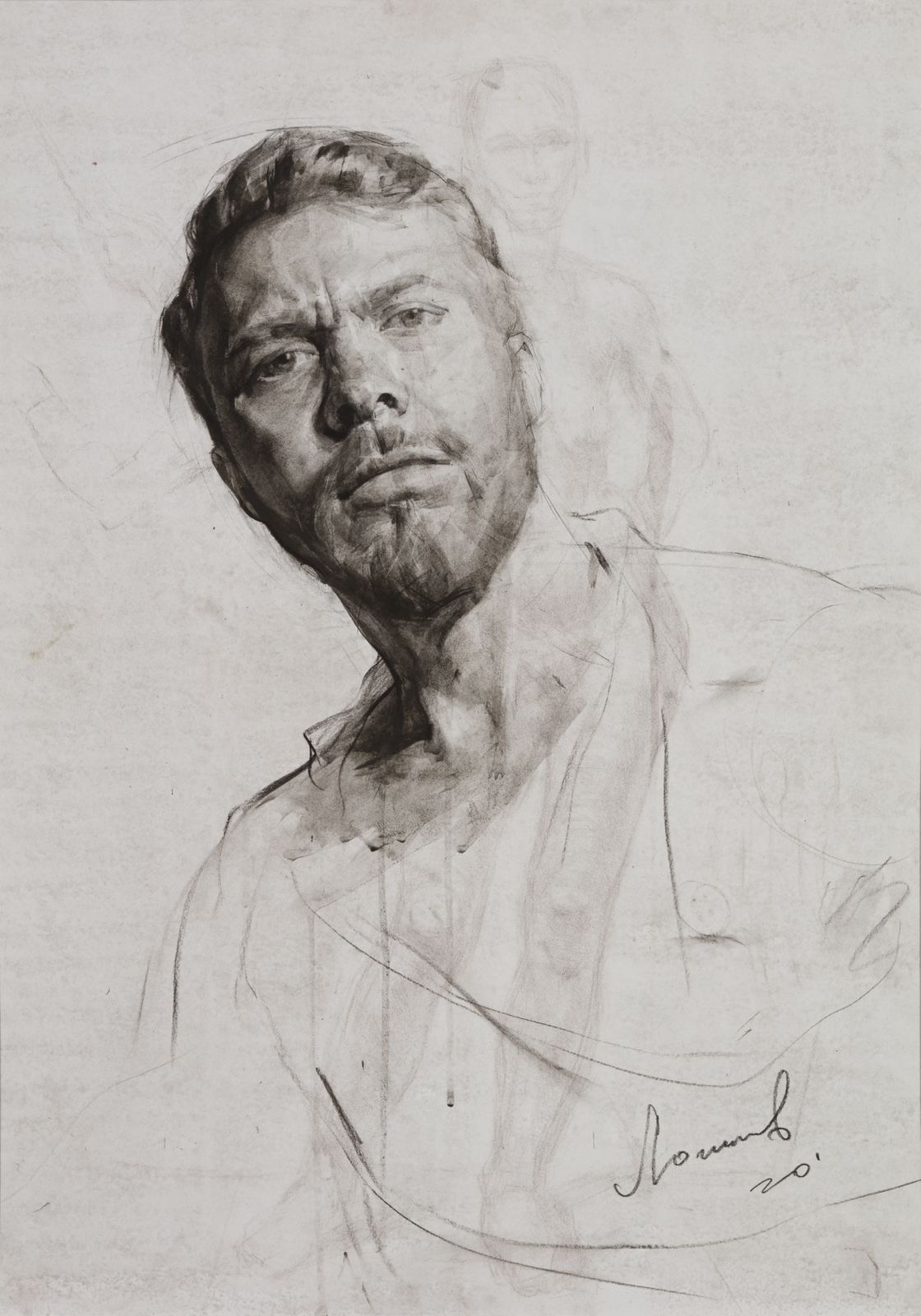
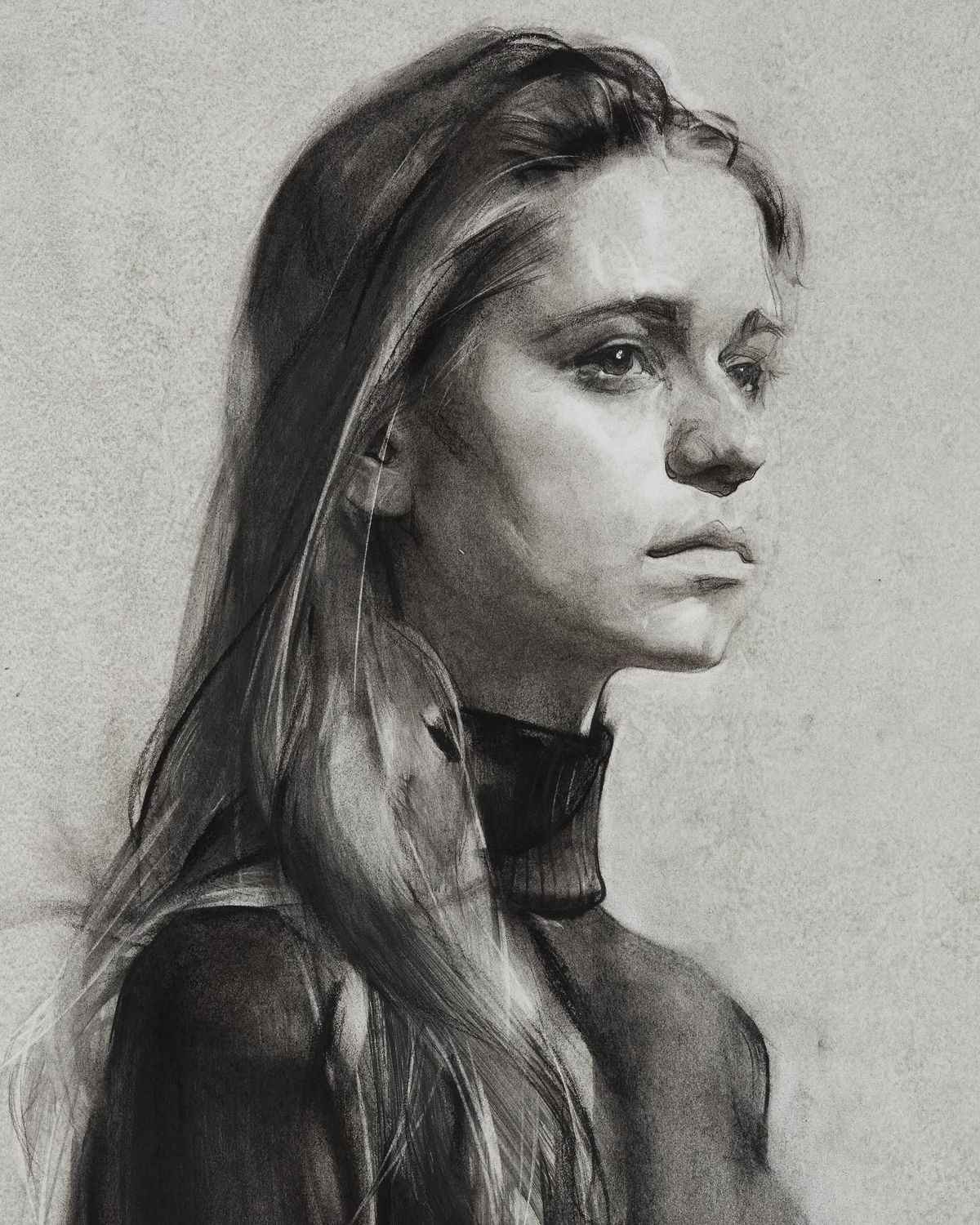
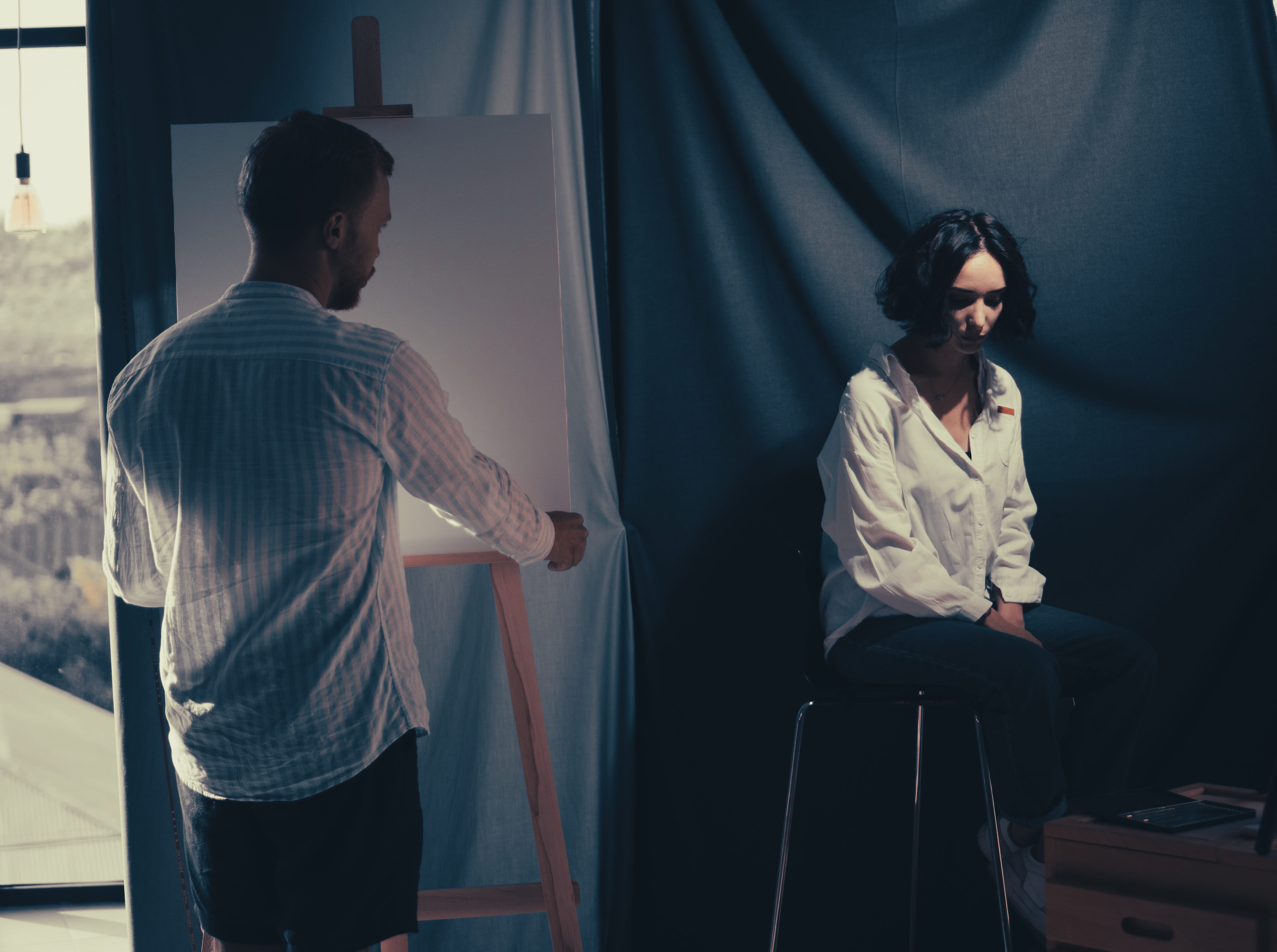
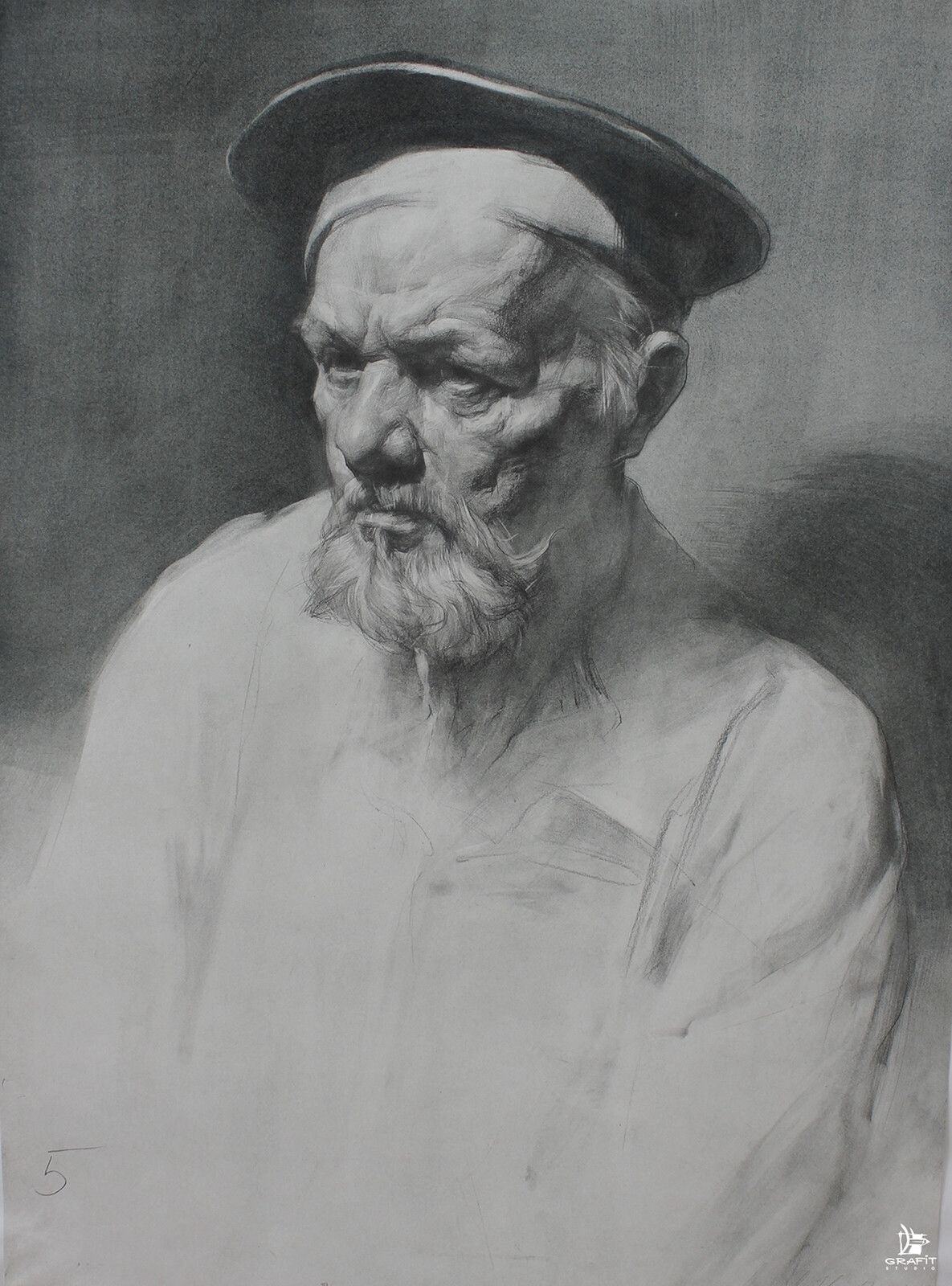
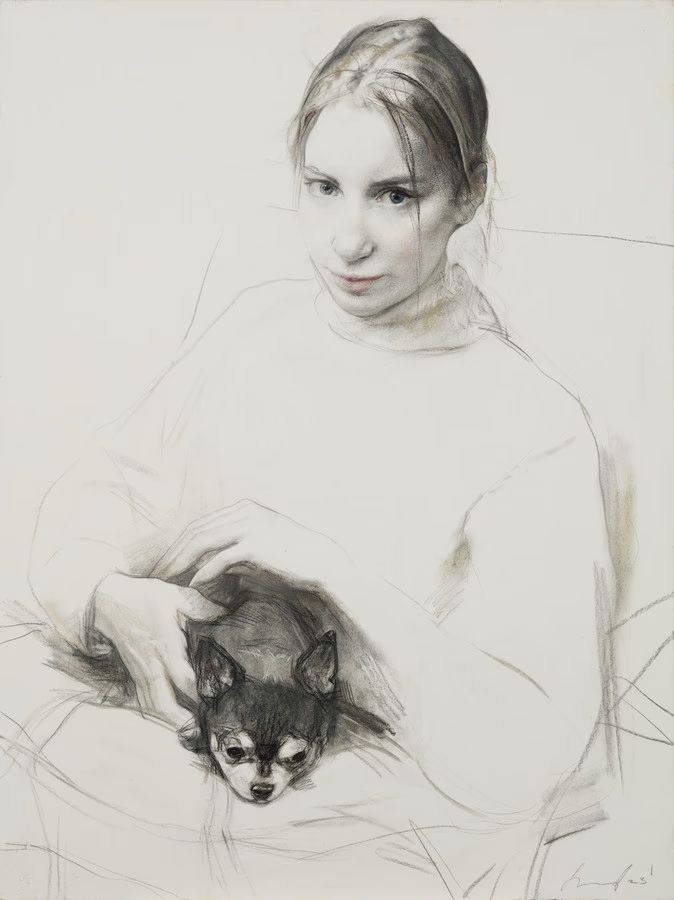
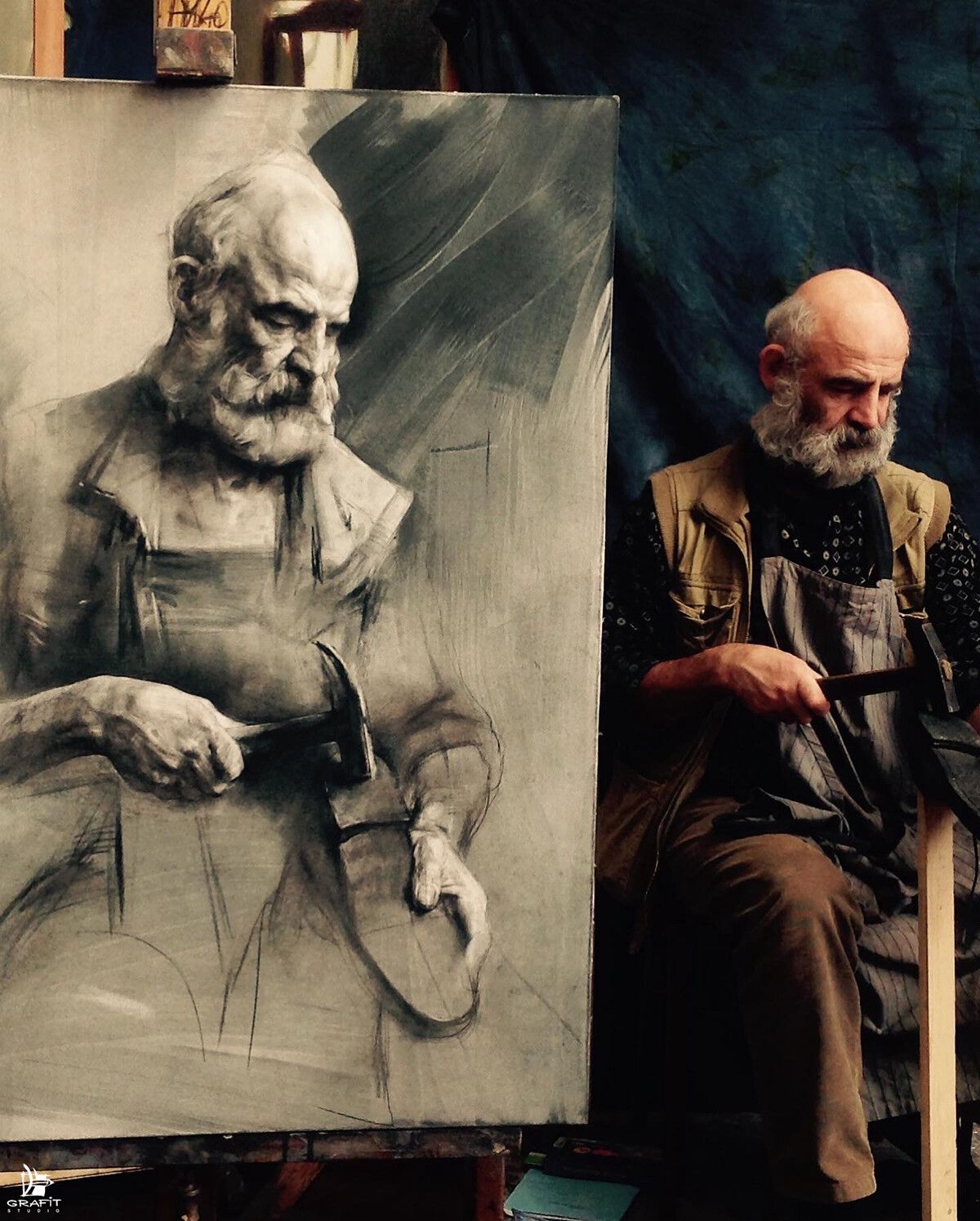
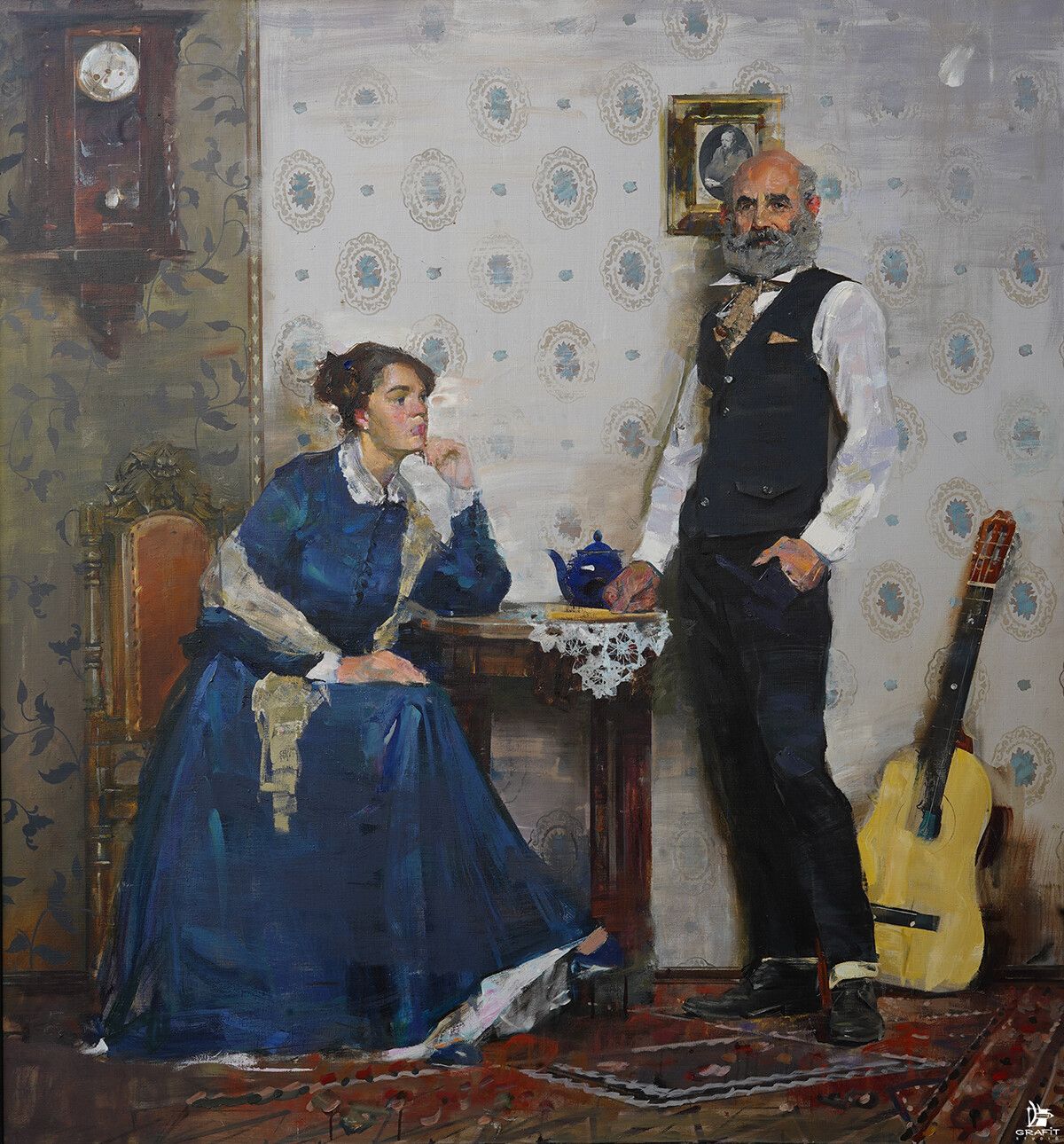
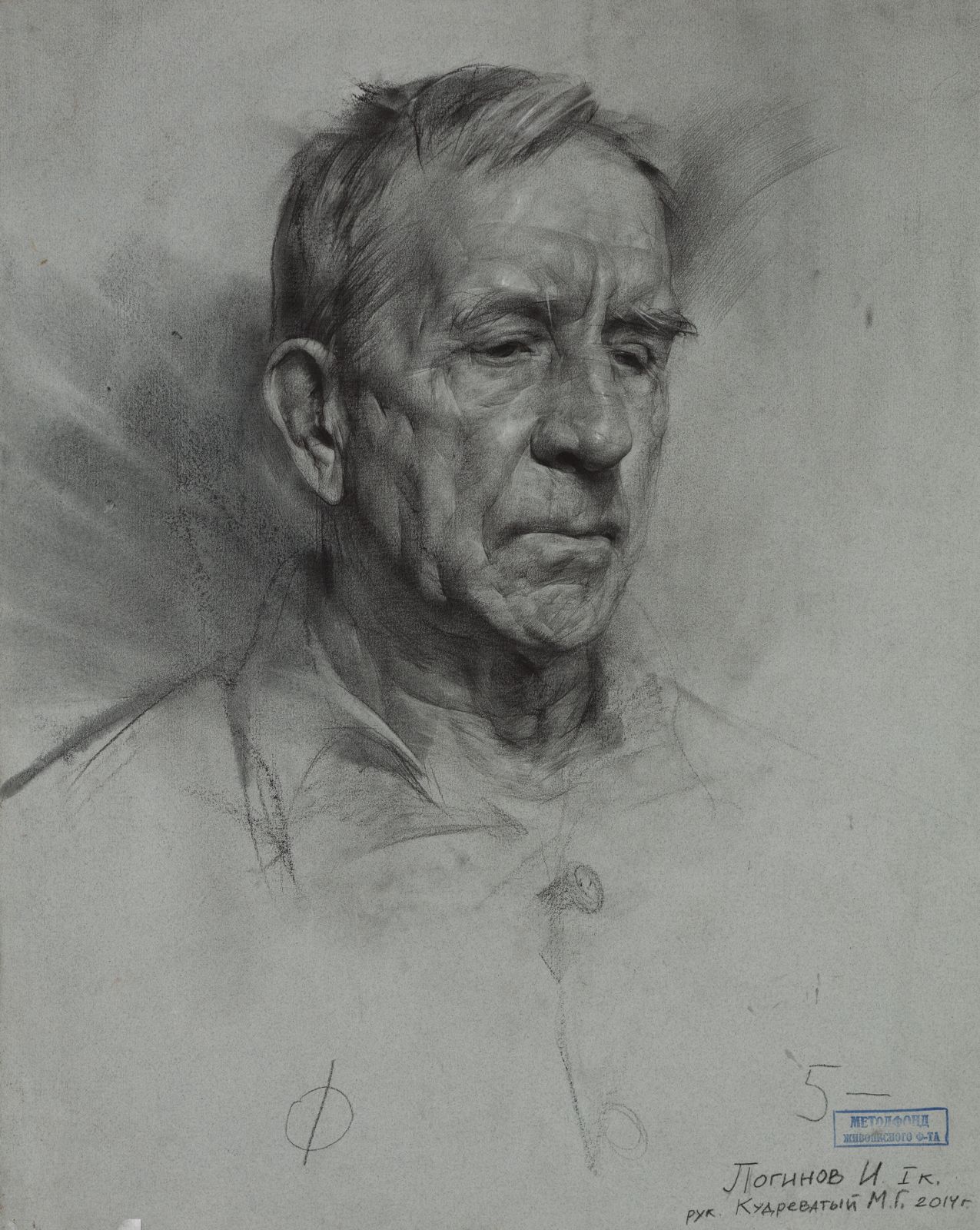
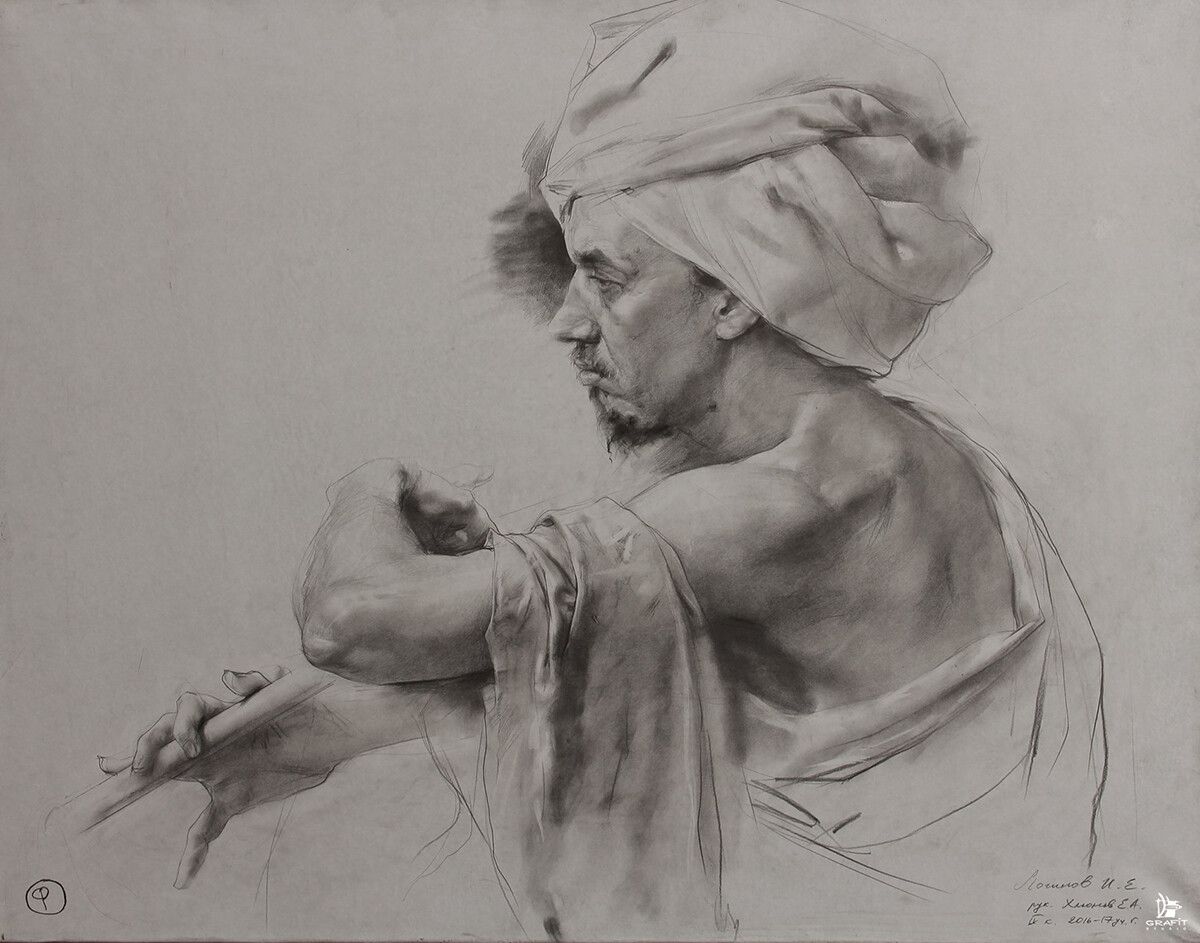
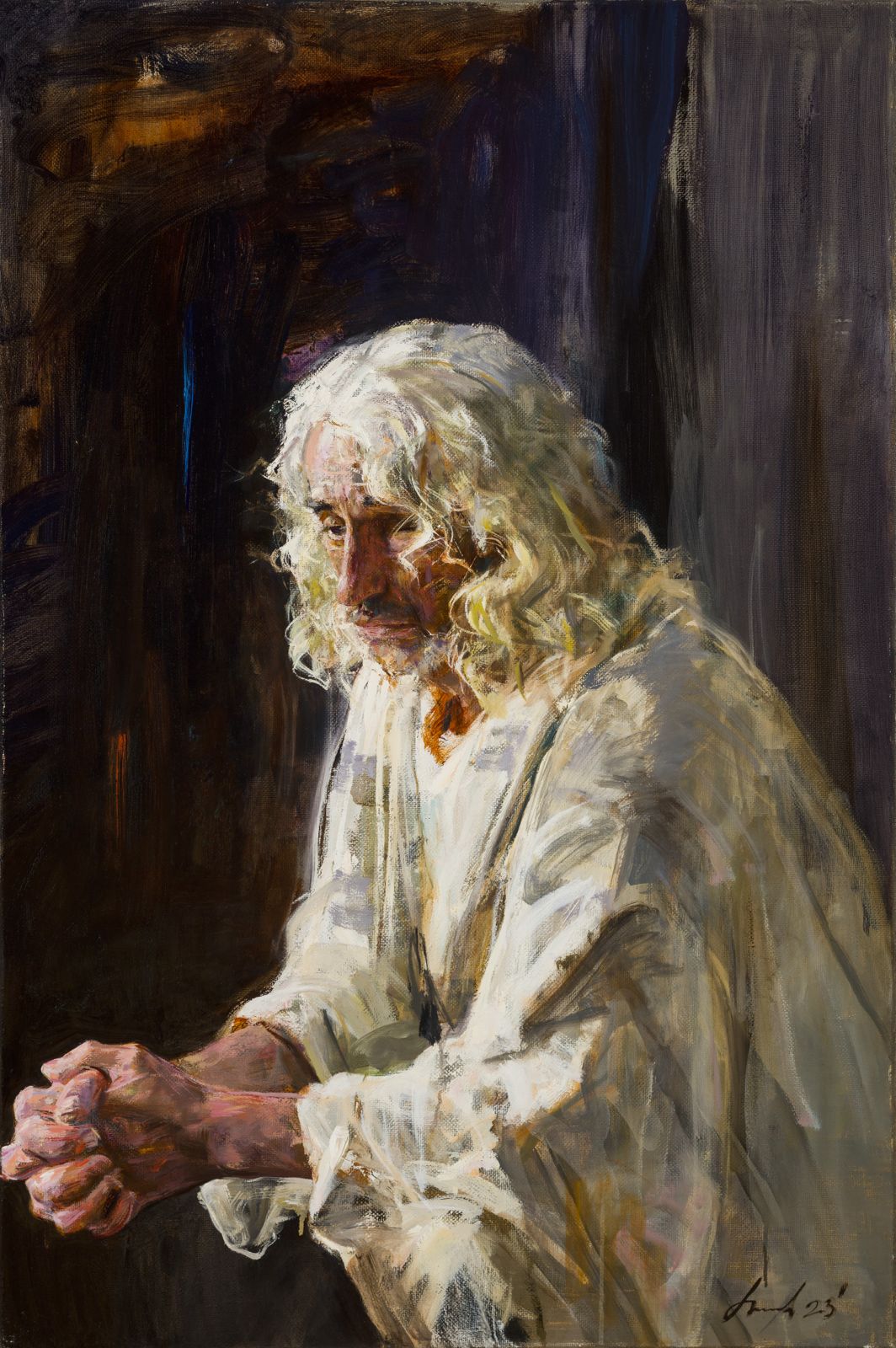
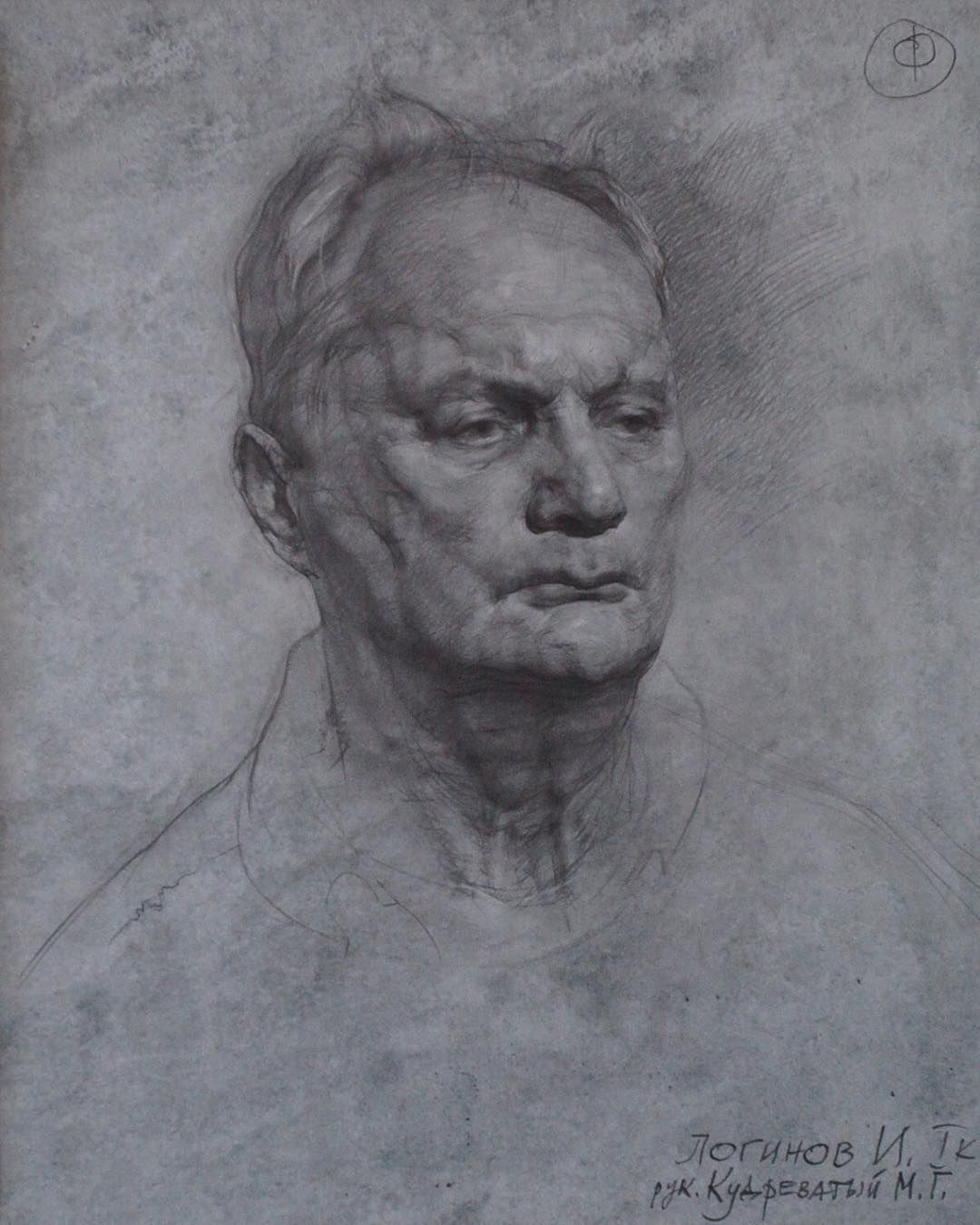
Su trabajo se centra principalmente en el retrato y la figura, con una mirada atenta a la presencia emocional de sus modelos. Más que buscar escenas grandilocuentes, le importa que el gesto sea verdadero, que la atmósfera se sienta viva y que la luz ayude a descubrir quién es realmente la persona frente a él. Como él mismo explica: “Para mí, es importante que el espectador sienta el aliento y el carácter único de un modelo vivo —incluso cuando el lienzo representa una alegoría o un tema histórico.”
Ivan Loginov ha consolidado una trayectoria destacada en el realismo académico contemporáneo: su obra forma parte de colecciones como el State Russian Museum, el Peterhof Museum Reserve y la National Portrait Gallery, y ha sido encargado por medios internacionales de confeccionar un retrato para la portada de Time Magazine (2020), un hito poco común para artistas rusos. Ha recibido múltiples medallas y becas, incluyendo tres veces la beca presidencial de la Federación Rusa, honores en competencias internacionales y premios especiales en importantes eventos artísticos, además de presentar exposiciones individuales relevantes —como en el Palacio de los Congresos en San Petersburgo, con un encargo oficial para la colección presidencial— y de impartir masterclasses que se agotan con mucha anticipación en Europa, Asia y Estados Unidos.
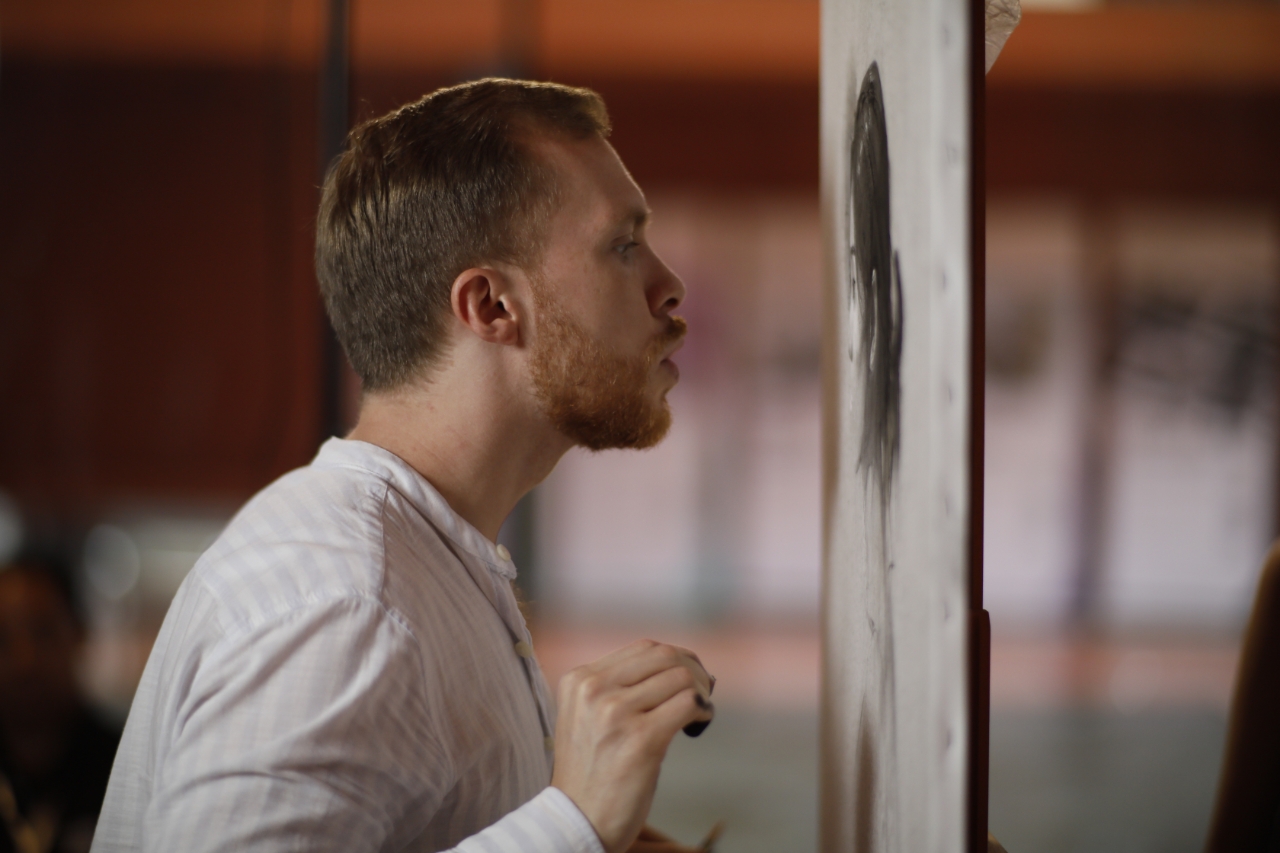
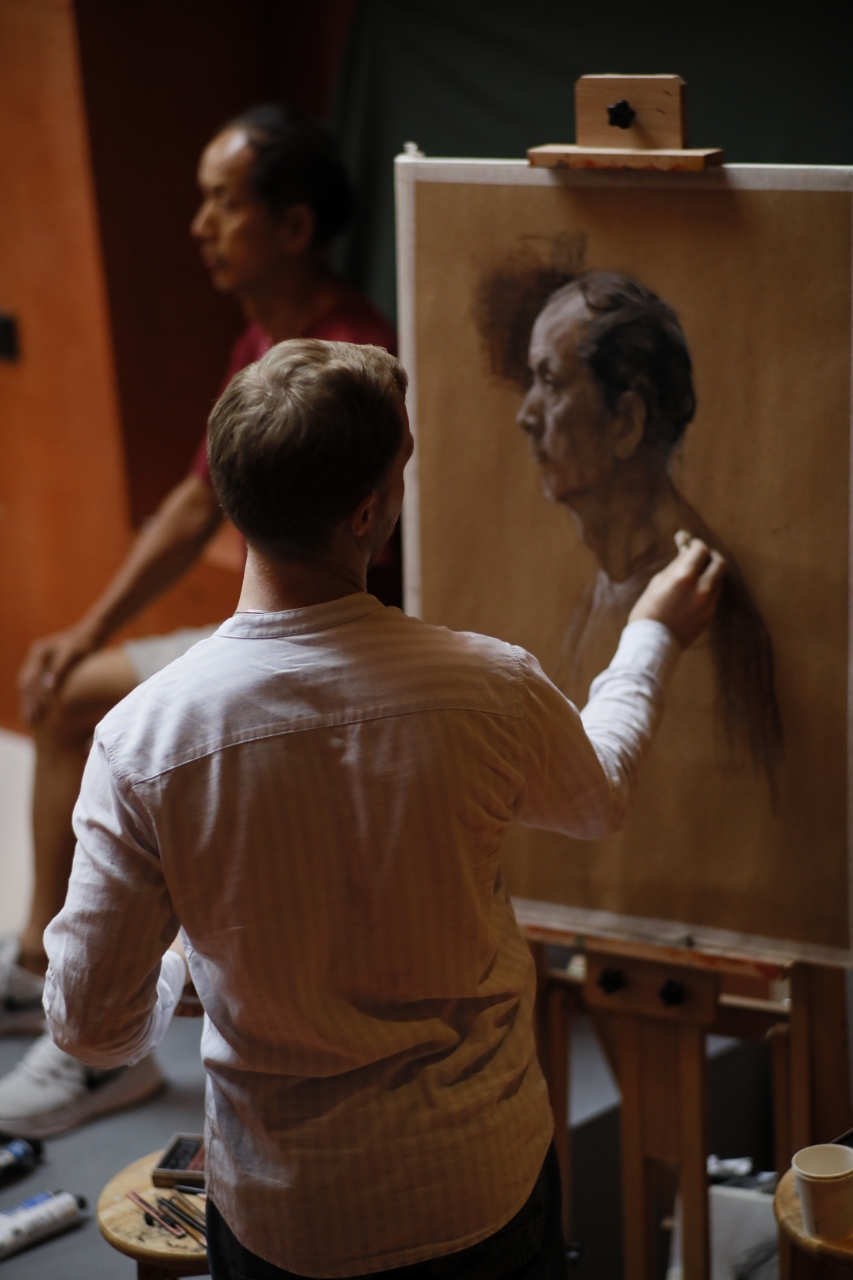
Además de su producción en estudio, ha impartido talleres y clases para estudiantes de distintos países, compartiendo métodos clásicos de observación y construcción pictórica. Actualmente vive y trabaja en San Petersburgo, donde continúa desarrollando una obra que dialoga con la tradición sin perder cercanía con el presente.
Conoce más de Ivan